
Deep Dive Overview
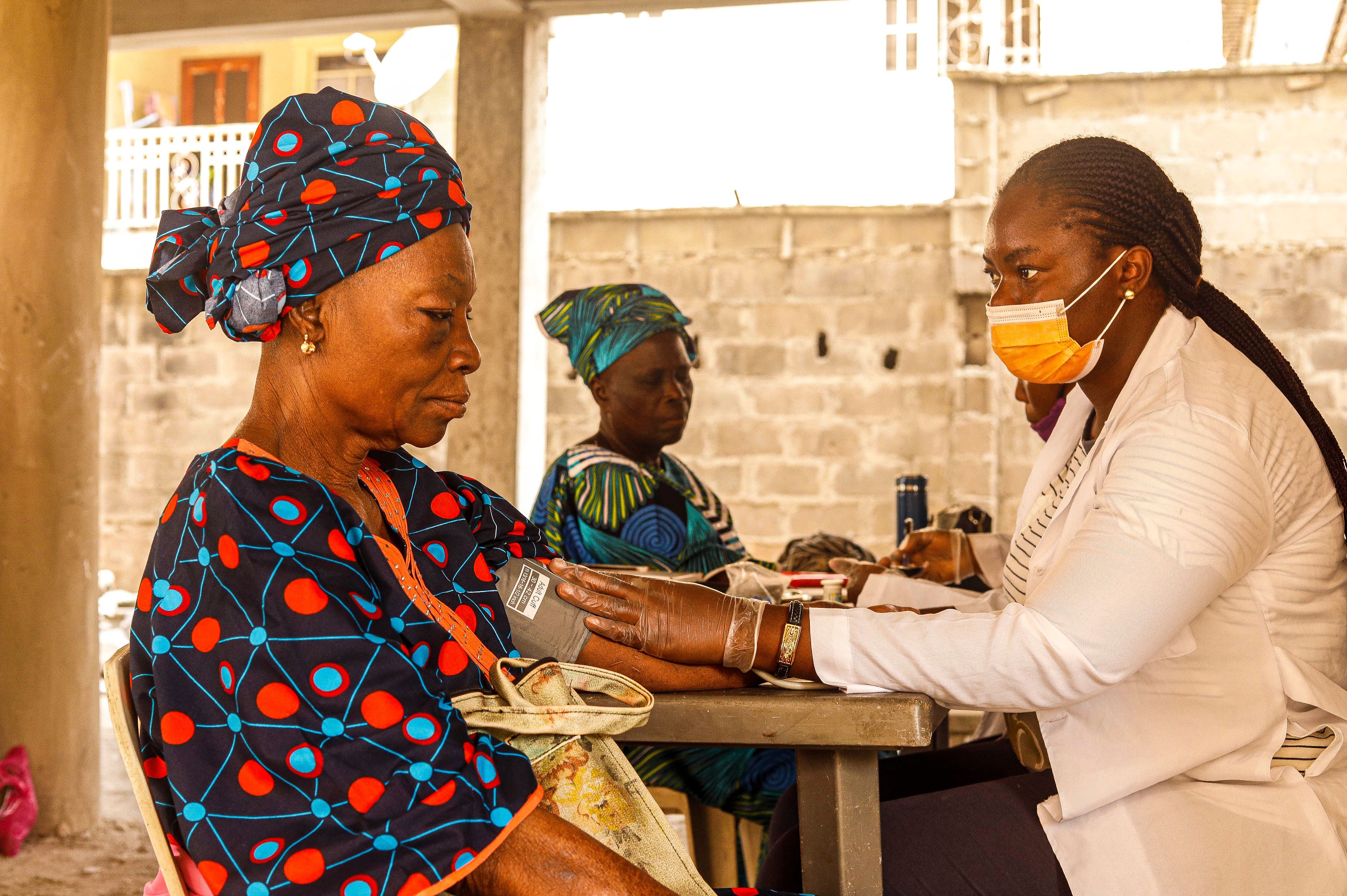
The Direct Health Facility Financing (DHFF) reform was instituted in Tanzania during the 2017/18 financial year. The reform shifted the flow of funds so that they are allocated directly from the Ministry of Finance to health facility bank accounts, rather than being managed by district headquarters. This is intended to enhance provider autonomy, allowing facilities to plan and budget according to their specific local demands.
Prior to the reform, funds for primary healthcare delivery were channelled through district headquarters, which were responsible for allocating and spending funds on behalf of local dispensaries and health centres. This centralised management was often associated with inefficient resource use, a lack of transparency, and weak accountability. To operationalise the reform, the government introduced the Facility Financial and Accounting System (FFARS) and PlanRep, a web-based strategic planning and budgeting tool. While the reform successfully increased overall funding, it introduced a sharp increase in reliance on out-of-pocket user fees, which rose from 10.5% to 31.7% of commodity funding.
Policy Recommendations
States should shift to models that enhance provider autonomy and ensure that resources are available where care is actually delivered
Fiscal decentralisation must be supported by robust accounting systems to ensure transparency and prevent mismanagement
Invest in the necessary infrastructural support before rolling out programs. This includes having the necessary IT equipment, reliable internet and access to trained financial staff
Health misnistries should create contingency funding mechanisms within their program frameworks so that facilities can respond to emergencies without depleting their budgets for other essential
To maintain progress toward Universal Health Coverage (UHC), governments must monitor decentralised programs closely to ensure that increased facility autonomy does not lead to an over-reliance on out-of-pocket spending, which can create financial barriers for the poor
Key Numbers
improvement in essential commodity availability
rise in OOP user fee share of funding
digital financial accounting system introduced
fiscal year reform was instituted
Deep Dive Summary
Assessing the Direct Health Facility Financing (DHFF) reform in Tanzania, which bypassed district bureaucracies to route funds directly to facility bank accounts, improving local autonomy and essential commodity availability at primary facilities.
Content Type
Case Study
Region
Eastern Africa
Author
Research Team
Read Time
10 min
Key Findings
The DHFF reform raised essential commodity availability from 69% in 2016/17 to a peak of 78% in 2018/19.
Provider autonomy and digital systems (FFARS, PlanRep) enabled primary clinics to budget flexibly and adapt to pandemic shocks.
Facilities now directly manage multiple revenue sources including Health Basket Funds, user fees, and insurance reimbursements.
Out-of-pocket user fees rose from 10.5% to 31.7% of commodity funding under DHFF, potentially threatening universal coverage goals.